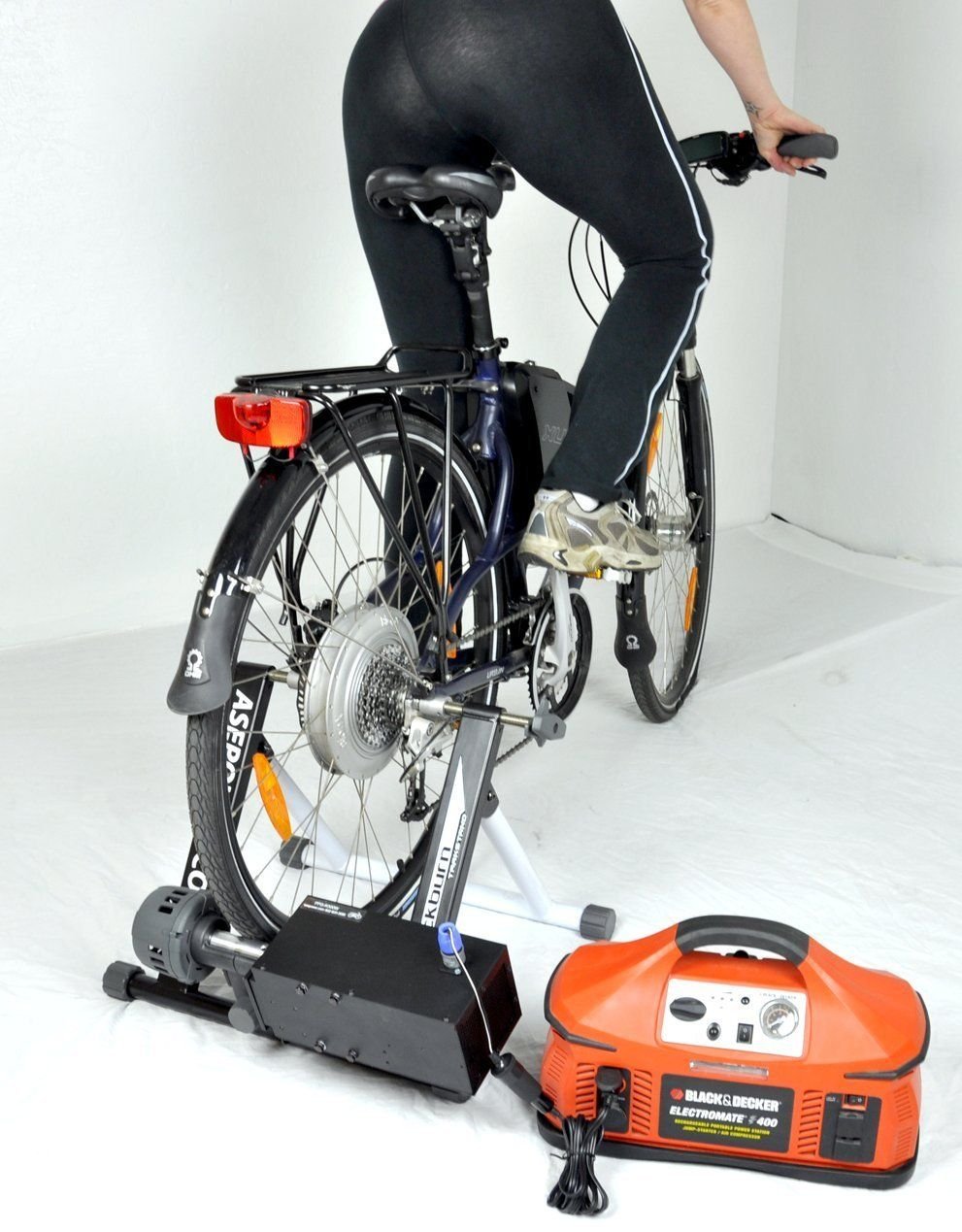
Imagine harnessing the power of your own two legs to charge your phone, blend a smoothie, or even light up a room. That's the exciting reality of a bike generator! This flagship guide will take you on a journey through the world of human-powered electricity, demonstrating how a common bicycle can be transformed into a valuable, eco-friendly energy source. It’s a rewarding project, perfect for developing engineering skills while learning about clean energy generation – and getting a workout in the process.
Whether you're a high school student looking for an engaging STEM project, an off-grid enthusiast, or simply curious about sustainable living, building a bike generator is an achievable and affordable endeavor. We’ll explore everything from the fundamental principles to practical construction, empowering you to create your own homemade electricity.
Unveiling the Magic Behind Bike Generators
At its heart, a bike generator is a marvel of kinetic energy conversion. As you pedal, your effort turns a wheel, which then drives a motor that produces electricity. It’s a direct, tangible way to understand how energy transforms and how much effort goes into powering our daily lives. This hands-on experience provides invaluable insights into mechanical and electrical systems, making abstract concepts concrete.
Understanding the basic components and how they interact is crucial before you even pick up a wrench. If you're keen to dive deeper into the science, exploring the electrical theory and mechanical design that make these systems tick, you’ll find a wealth of information to help you grasp the foundational concepts. For a comprehensive breakdown of the core principles and inner workings, Berikut adalah beberapa opsi: Understand bike generators from a conceptual standpoint.
Your DIY Adventure: Constructing a Human-Powered Generator
The beauty of a bike generator lies in its accessibility. You can construct a fully functional system using readily available materials, often repurposing an old bicycle and standard hardware. This project is not just about building a device; it’s about fostering ingenuity and problem-solving skills. From selecting the right motor to securing your stand, each step is an opportunity to learn and innovate.
Gathering Your Essential Components
Before you begin, gather these key parts and tools. Having everything on hand will ensure a smoother build process.
Parts Required:
- 2" X 4" Wood for the stand
- V-belt
- Diode
- Battery (e.g., car battery, deep cycle battery)
- Inverter
- Wire
- Motor (12-V DC or higher, depending on desired output)
- Perforated plumbers steel (if your motor lacks a mounting bracket)
Tools Required: - Wrench
- Saw
- Wood screws or nails
- Hammer
- Screwdriver
- Tape Measure
- Multimeter (essential for testing voltage)
Step-by-Step Construction Guide
With your materials ready, let's transform that old bike into a power-generating machine. Remember, safety first, and take your time with each step.
- Project Overview: Begin by visualizing the finished product. Understanding the complete system and its interconnected components will guide your build.
- Prepare the Bicycle: Locate an old or unused bicycle. The only functional parts needed are the chain and pedals. Carefully remove the back tire and tube from the rim, as this is where your drive belt will connect.
- Build a Sturdy Stand: Design and construct a stable stand from 2" x 4" wood. This stand needs to elevate the bicycle's rear wheel about 5-7 inches off the ground, ensuring it's secure enough to withstand pedaling force. Draft your design with specific dimensions before cutting any wood.
- Attach the Drive Belt: Visit an auto parts store to purchase a V-belt of the correct size. Measure the distance from your chosen motor position to the bicycle's back rim (which is now just the metal rim without the tire) to ensure a snug fit. Loop the belt around the rim.
- Mount the Motor: Securely attach a 12-volt DC motor (or higher, based on your power needs) to your wooden stand. The motor should be positioned so that the drive belt is tightly secured on its shaft, preventing any slipping during pedaling. If your motor doesn't have a mounting bracket, you can fashion one using perforated plumber's steel.
- Integrate the Diode: Place a diode in series with the motor and the battery. Crucially, the diode allows current to flow only from the motor to the battery, preventing the battery from discharging back into the motor when you stop pedaling. The cathode (marked with a band) should point towards the battery's positive terminal.
- Connect to the Battery: Wire the battery in series. The negative lead from your motor connects to the negative terminal of the battery. The positive lead from the motor connects to one end of the diode, and the other end of the diode then connects to the positive terminal of the battery.
- Attach the Inverter: Connect the battery leads to your inverter. You can use an adapter or carefully solder/tape the leads for a secure connection. Double-check that positive and negative terminals are connected correctly; incorrect polarity can blow the inverter's fuse.
- Test and Power Up: With the motor secured and wired, use a multimeter to measure the voltage as you pedal. You'll observe how your exertion directly impacts the power output. Now you're ready to plug in small appliances and experiment with your homemade electricity!
While these steps provide a solid foundation, remember that the world of DIY bike generators offers endless possibilities for customization and improvement. For more detailed blueprints, advanced wiring diagrams, and a wider array of project ideas, exploring dedicated guides on How to build a bike generator will be incredibly beneficial. Keep in mind that for budget reasons, steps 5, 6, 7, and 8 can be skipped, but directly connecting anything other than a simple halogen lamp to the motor is not recommended due to varying voltage output.
Powering Your Life: Applications and Efficiency Hacks
Once your bike generator is up and running, a world of practical and fun applications opens up. Imagine combining your morning workout with practical tasks, all powered by your own effort!
Fun Ideas & Practical Applications
- Charge Your Phone and Exercise: Keep your smartphone topped up while getting your daily dose of cardio. Challenge yourself to see how quickly you can achieve a full charge.
- Human-Powered Smoothie: Hook up a blender and make a delicious, healthy smoothie, knowing every sip was earned through your own sweat equity.
- Eco-Breakfast: Power small kitchen appliances like a toaster or waffle maker to prepare a truly green breakfast. It's a fantastic way to start your day with exercise and sustainable energy.
- Emergency Power: Beyond daily convenience, these generators can be lifesavers during power outages, providing crucial electricity for lights, radios, or charging essential devices. For a deeper dive into how bike generators can be invaluable during crises and for living off-grid, learn more about the diverse Applications of Bike Generators: Emergency situations.
Boosting Your Generator's Performance
As you gain experience, you'll naturally want to optimize your bike generator for greater power output and efficiency. This could involve experimenting with different motor types, exploring gear ratios, or implementing advanced battery management systems. Understanding how to minimize energy loss and maximize the conversion of your pedaling effort into usable electricity is key. If you're serious about getting the most out of your setup and exploring advanced modifications, you'll want to check out resources dedicated to helping you Boost bike generator power & efficiency.
When to Build Versus Buy: Exploring Commercial Solutions
While the DIY approach is incredibly rewarding, there are situations where a pre-built commercial bike generator system might be more suitable. If you require a higher, more consistent power output, lack the time or tools for a custom build, or prefer a polished, ready-to-use solution, the market offers several excellent options. These systems often come with integrated power conditioning, robust frames, and specialized generators designed for optimal performance and safety. To help you navigate the options and make an informed decision, a comprehensive Commercial bike generator buying guide can point you toward the best choices for your specific needs and budget.
Pedal Towards a Sustainable Future
Building a bike generator is more than just a project; it's a statement. It’s an embrace of self-sufficiency, a hands-on lesson in physics, and a tangible step towards a more sustainable lifestyle. From powering small devices to contributing to off-grid solutions, the potential of human-powered electricity is vast and exciting. We encourage you to embark on this journey, experiment, and discover the incredible power that lies within you – and your bicycle. The path to clean, personal energy is just a pedal stroke away.