Imagine powering an event with the collective energy of your attendees, or keeping critical systems online during an outage, knowing your business is resilient. When we talk about "Commercial Bike Generator Systems & Buying Guides," we're navigating a fascinating intersection of human-powered innovation and robust industrial reliability. This guide isn't just about pedals and wires; it's about understanding which power solution truly fits your commercial needs, from eco-conscious events to critical operational uptime.
Whether you're exploring the novelty and sustainability of generating power through cycling or seeking a steadfast backup system for your entire operation, making an informed decision is paramount. Let's power through the options.
At a Glance: Key Takeaways for Your Power Decision
- "Commercial Bike Generator Systems" have two distinct meanings:
- Small-scale human power: Bikes modified to generate electricity (a few watts for charging/lights), often used for novelty, events, or educational purposes.
- Large-scale business power: Robust, fuel-powered generators (kilowatts to megawatts) essential for business continuity during outages.
- Bike Generators (Small-Scale): Convert human pedaling into low-wattage electricity. Great for eco-friendly branding, small device charging at events, or fitness-for-power initiatives. Limited output.
- True Commercial Generators (Large-Scale): Provide critical backup or prime power for businesses, protecting against downtime. Sizing, fuel type, and maintenance are crucial.
- Your primary goal dictates the system: Are you seeking a sustainable gimmick, or mission-critical operational resilience?
- Investment varies wildly: From under $100 for a personal bike dynamo to tens of thousands for a business-grade generator system.
Decoding "Commercial Bike Generator Systems": What Are We Talking About?
The term "Commercial Bike Generator Systems" can be a bit of a chameleon, shifting its meaning based on context. On one hand, it refers to actual bicycle generators—devices that harness human pedaling power to create electricity. These are typically low-output systems, perfect for small-scale charging or powering lights. When used in a "commercial" sense, it usually means integrating multiple such bikes into an event, a gym, or an educational program to demonstrate sustainable energy or create an engaging experience. Think of a "pedal-powered charging station" at a festival.
On the other hand, the broader concept of "commercial generator systems" often refers to the heavy-duty, industrial-grade power solutions that businesses rely on to keep their operations running smoothly, regardless of what the utility grid is doing. These systems are massive by comparison, producing kilowatts (kW) or even megawatts (MW) of power from diesel, natural gas, or propane—not human legs. They're the silent sentinels protecting data centers, hospitals, restaurants, and retail stores from costly downtime.
This guide will demystify both aspects, helping you understand the unique applications, benefits, and buying considerations for each.
The Heart of Human Power: Understanding Bike Generators
Let's start with the literal interpretation: the bike generator itself. At its core, a bike generator, or bicycle dynamo, is a clever device that transforms the mechanical energy of a spinning wheel into usable electrical power. Most modern units are AC generators, primarily designed to power LED lights for night riding or charge small devices via USB converters. While they might not keep your data center humming, they offer a sustainable, eco-friendly way to generate power. To learn about bike generators in more detail, let's explore the common types.
Types of Bike Generators: Pedaling Towards Power
You'll encounter a few main designs, each with its own trade-offs:
- Hub Dynamo Generators: These are sleekly integrated into the front wheel hub. They're the gold standard for reliability and efficiency in personal bike power.
- Pros: Highly efficient (minimal drag of 1–3 watts), fully sealed against elements, quiet operation, and incredibly long lifespan (10+ years, 50,000+ miles). They provide consistent power.
- Cons: Require rebuilding the wheel, higher upfront cost (hub alone $80–$200, complete wheel $200–$400), and aren't easily transferable between bikes. Examples include the high-end SON 28 or the reliable Shimano Alfine DH-C6000.
- Bottle Dynamo Generators: These units attach to your bike frame and use a small roller to rub against the tire sidewall as you pedal.
- Pros: Easy to install and remove, very affordable ($15–$35), and compatible with most rim-brake bikes. A good choice for occasional use.
- Cons: Noticeable rolling resistance (up to 10 watts), inconsistent contact and slippage in wet conditions, can cause tire wear, and are generally noisier.
- Bottom Bracket & Roller-Based Generators: Less common, these mount near the crankset and often use a roller against the rear wheel. They avoid front-wheel interference, making them useful for disc brake bikes.
- DIY & Experimental Generators: While fascinating for educational purposes, these are rarely practical for reliable, real-world power generation during actual riding.
The Nitty-Gritty: Power Output & Technical Specs
Standard bike dynamos typically produce 3 watts at 6 volts AC (0.5A). This is enough for bright LED bike lights. For USB charging, you'll need a converter, and these systems usually require sustained speeds above 9 mph (15 km/h) to provide enough consistent output.
Crucial Technical Criteria for Bike Generators:
- Power Output: Always ensure the 3W at 6V AC matches your light system.
- Voltage Regulation: Absolutely essential! An unregulated generator can spike voltage at high speeds, frying connected electronics. Look for integrated or external regulators.
- Rolling Resistance: Hub dynamos are barely noticeable; bottle types add noticeable drag.
- Weather Resistance: Sealed hub units are king here; bottle dynamos can struggle in rain.
- Compatibility: Check your bike's specifics: brake type (disc vs. rim), fork dropout spacing (usually 100mm front), and tire clearance.
- Noise Level: Quality hub dynamos are almost silent. Bottle dynamos often hum.
- Weight: Bottle dynamos are light (~70g); hub units are heavier (350–500g).
Benefits & Drawbacks of Human Power
Advantages:
- Continuous Power: As long as you're moving, you're generating power.
- Eco-Friendly: No batteries to recharge or replace, no fossil fuels. A truly green solution.
- Cost-Effective: Once installed, the "fuel" (your legs) is free.
- Legal Compliance: In some regions (e.g., Germany's StVZO), permanent dynamo lighting is legally mandated.
- Supports Accessories: Powers lights, GPS, phone chargers, and other low-power devices.
Disadvantages: - Limited Power Output: You're not going to power a refrigerator or a sound system. Max output is in the single-digit watts.
- Initial Cost & Labor: Hub dynamos involve a higher upfront investment and often require professional wheel rebuilding.
- Minimal Drag: While small, it's still an added resistance you'll feel over long distances.
- Not for Occasional Riders: The investment in a quality hub dynamo doesn't make sense for bikes used only once a month.
Integrating Bike Generators into Commercial Contexts: Practical Applications
So, how do these small-scale, human-powered generators become "commercial"? It's less about powering an entire business and more about creating an experience, a statement, or a niche solution.
- Fitness-for-Power Initiatives: Imagine a gym where members contribute to the building's power supply by pedaling stationary bikes. Educational institutions or corporate wellness programs can use these to demonstrate sustainable energy generation, often tied to a display showing power output.
- Event Power Stations: At outdoor festivals, conferences, or promotional events, pedal-powered charging stations are a hit. Attendees can charge phones or small devices, engaging directly with a brand's commitment to sustainability.
- Educational & Eco-Branding Initiatives: Companies focused on green technology or sustainability can use bike generators as interactive exhibits. They visually and tangibly demonstrate energy conversion, creating memorable experiences and reinforcing brand values.
- DIY/Custom Setups: For very specific, low-power commercial needs—think a remote pop-up coffee cart needing to power a small LED sign or an iPad for payments—a custom array of bike generators might be a creative, off-grid solution.
Buying Guide for Bike Generator Systems: Making the Right Human-Powered Choice
If a human-powered system is what you need for your commercial context (event, education, niche application), here's how to choose:
- Determine Your Specific Use Case: Are you powering permanent bike lights for a fleet of urban rental bikes, or creating a temporary USB charging station for a one-off event? This defines the robustness you'll need.
- Check Frame and Wheel Compatibility: For hub dynamos, verify your bike's axle type (Quick Release or thru-axle), front fork spacing (usually 100mm), and rotor compatibility if you have disc brakes.
- Hub vs. Bottle Dynamo:
- Hub Dynamo: Go for this if you need high efficiency, consistent power, minimal maintenance, and plan for frequent or long-term use (e.g., a permanent installation in a fitness studio, a fleet of bikes).
- Bottle Dynamo: Best for seasonal, backup, or very low-budget temporary uses where easy installation and removal are priorities.
- Verify Light System & USB Converter Compatibility: Most modern dynamo lights expect 6V AC. If you're using USB converters, ensure the dynamo can sustain output at practical pedaling speeds (e.g., >9 mph).
- Prioritize Voltage Regulation: Absolutely non-negotiable for charging electronics. Make sure the unit has built-in regulation or pair it with a regulated USB converter. Unregulated units will damage devices.
- Evaluate Installation Complexity: Hub dynamos require professional wheel building. Factor this labor cost into your budget. Bottle dynamos are DIY-friendly.
- Consider Total Costs:
- Bottle Dynamos: $15–$35
- Hub Dynamo Hubs: $80–$200 (plus wheel building cost)
- Complete Dynamo Wheel Builds: $200–$400
- USB Conversion Kits: $60–$100 (for regulated output)
- Don't forget professional installation for hubs if you're not a skilled mechanic.
- Maintenance: Hub dynamos require minimal maintenance. Bottle dynamos will need periodic cleaning of the roller and tire contact point, and occasional wire checks.
Beyond Pedal Power: What Businesses Really Mean by "Commercial Generators"
Now, let's shift to the other side of the "Commercial Generator" coin. When a restaurant, hospital, data center, or retail store talks about needing a "commercial generator," they are almost certainly not talking about bike generators. They're discussing industrial-grade power solutions engineered to keep their entire operations running, often for extended periods, during utility outages. These systems are about business continuity, safety, and protecting revenue—not novelty or niche eco-demonstrations.
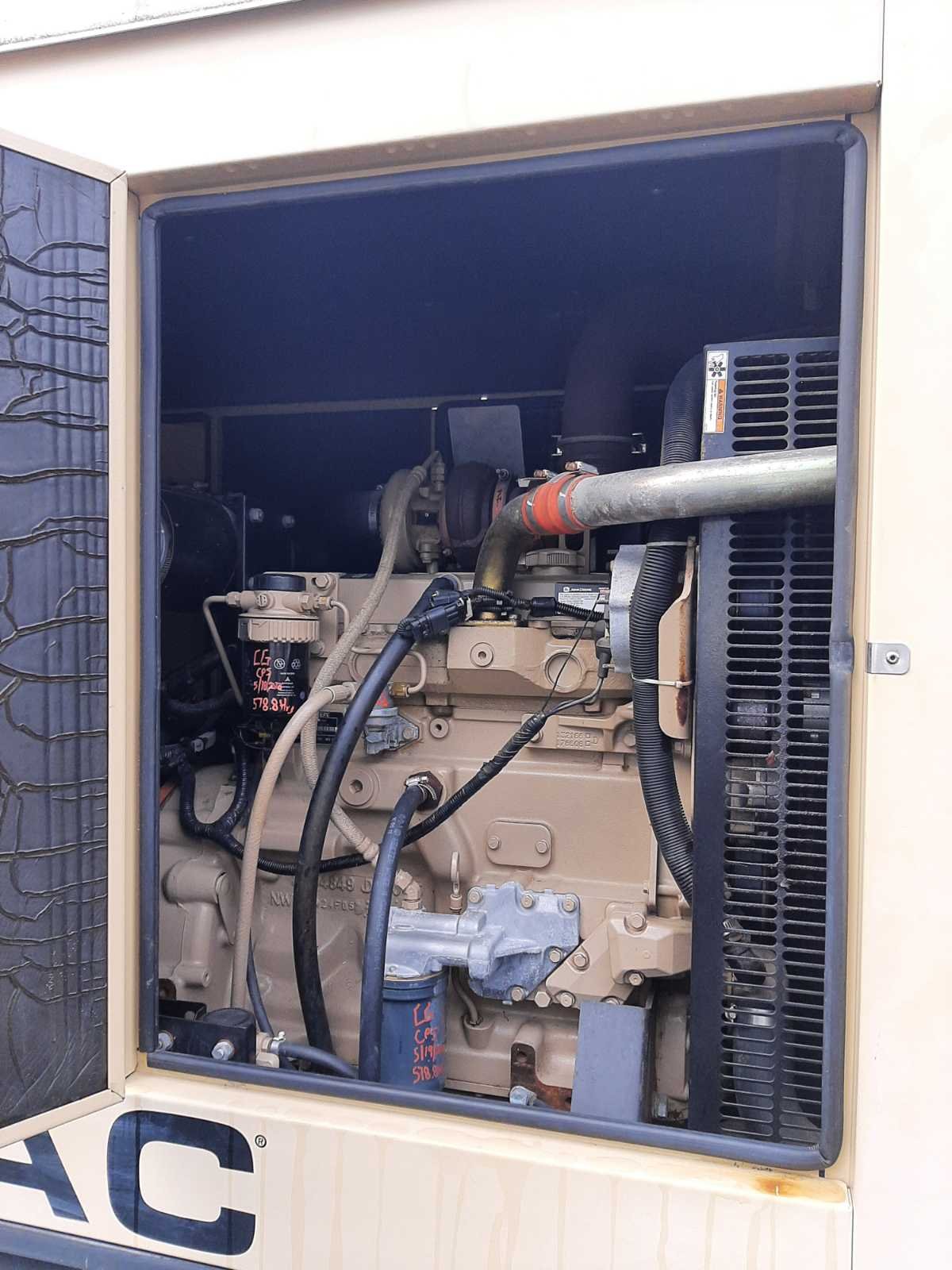
How a True Commercial Generator Works: The Lifeline of Your Business
These powerhouses convert fuel (diesel, natural gas, propane) into electrical energy through a sophisticated process:
- The Engine: The heart of the system, it burns fuel to create mechanical energy, which then spins an alternator. A governor precisely maintains the required 50/60 Hz frequency and increases torque when heavy loads demand it.
- The Alternator: This component takes the mechanical energy from the engine and converts it into AC (alternating current) power through electromagnetic induction. An Automatic Voltage Regulator (AVR) ensures a steady, consistent voltage output, protecting sensitive equipment.
- The Brains & Safety Systems: A digital controller acts as the generator's command center, automating startup, shutdown, and constantly monitoring the generator's health. Crucially, an Automatic Transfer Switch (ATS) is often paired with it. This intelligent device detects a utility power failure and seamlessly transfers your building's electrical load from the grid to the generator, typically within seconds, and then back when grid power is restored.
Choosing a True Commercial Generator: A Strategic Business Investment
Selecting a commercial generator is a significant strategic decision, directly impacting your business's resilience, operational costs, and safety.
Commercial Use Cases & Typical kW Ranges
Understanding your industry's specific power demands is the first step:
- Restaurants & Cafés: 15–80 kW (refrigeration, ovens, HVAC, POS systems). Keeping food safe and customers comfortable.
- Retail Stores & Offices: 20–100 kW (lighting, HVAC, IT networks, point-of-sale). Preventing lost sales and productivity.
- Clinics & Urgent Care Facilities: 40–150 kW (critical medical equipment, lighting, HVAC). Often must meet stringent NFPA 110 life safety codes.
- Warehouses & Cold Storage: 60–300 kW (compressors, industrial refrigeration, material handling). High starting torque is often a factor for large motors.
- Construction Sites & Outdoor Events: 20–200 kW (power tools, temporary lighting, staging equipment). Often mobile units.
- Telecom Facilities & Water Plants: 30–150 kW (pump motors, servers, communication equipment). Critical infrastructure.
Fuel & Configuration Options: Tailoring to Your Needs
- Diesel: The most common choice. Known for high torque, fuel efficiency, and strong starting power. Diesel can be stored on-site, offering independence. However, it requires strict fuel handling and compliance with EPA Tier 3/4 emission standards.
- Natural Gas: Offers cleaner emissions and quieter operation. Its continuous pipeline supply reduces refueling logistics and often leads to lower operating costs. Transient response can be slightly slower than diesel.
- LP / Propane: Ideal for locations without natural gas pipelines. Propane boasts stable combustion and a long shelf life. Requires on-site tank storage, which needs careful planning for capacity and safety.
- Bi-Fuel / Dual-Fuel: Starts on diesel but primarily runs on natural gas. This combines the reliability and quick startup of diesel with the cleaner emissions and lower cost of natural gas during extended operation.
- Stationary: Fixed installations, built for long-term use at critical facilities like hospitals or data centers.
- Mobile: Trailer- or container-mounted units designed for easy transport to construction sites, emergency response, or events.
- Duty Rating:
- Standby: Designed for emergency power during utility outages, with limited annual run hours. Most common for businesses.
- Prime/Continuous-Duty: Engineered for daily or extended operation as the primary power source, often in remote locations without grid access.
Sizing a Commercial Generator: A Step-by-Step Guide
This is where many businesses make costly mistakes. Undersizing leads to tripped breakers and damaged equipment; oversizing wastes money.
- List All Electrical Loads: Meticulously record the running wattage (kW/kVA) for every device you intend to power. Don't forget lighting, HVAC, computers, pumps, and specialized machinery.
- Account for Starting Surges (LRA): Motors (like those in AC units, refrigerators, or pumps) draw a significantly higher "Locked Rotor Amperage" (LRA) or starting surge—typically 2 to 6 times their running load—for a brief moment at startup. Factor this in, or consider soft starters/Variable Frequency Drives (VFDs) to mitigate these surges.
- Consider Simultaneity and Diversity: Not everything runs all at once. Estimate which systems will operate concurrently versus intermittently. This "diversity factor" prevents you from overestimating your total required capacity.
- Understand kW, kVA, and Power Factor (PF):
- kW (kilowatts): Represents "real power"—the actual power doing work.
- kVA (kilovolt-amperes): Represents "apparent power"—the total power being drawn.
- Power Factor (PF): The ratio of real power to apparent power (kW/kVA). For most commercial inductive loads, a PF of 0.8 is typical.
- Formula: kW = (Volts × Amps × PF) / 1000; kVA = kW / PF.
- Account for Derating: Environmental factors like high altitude, extreme temperatures, and even the type of fuel can reduce a generator's maximum output. Always consult manufacturer derating charts.
- Leave Headroom for Growth: It's wise to operate your generator at 70–80% load, leaving 20–30% spare capacity for unexpected surges, future expansion, or to ensure longevity. A generator constantly running at 100% will wear out faster.
- Match Voltage and Phase: Confirm your facility's electrical setup: single-phase (e.g., 120/240 V for smaller loads) or three-phase (e.g., 208/120 V or 480/277 V for larger commercial and industrial applications).
Example Sizing Snippet: A 100-seat restaurant might need around 35 kW of running power, but factoring in the starting surges for its HVAC units and large refrigeration compressors, a total capacity of 50–60 kW might be more appropriate.
Key Considerations for Purchase: Beyond the Price Tag
- Total Cost of Ownership (TCO): Look beyond the initial purchase price. TCO includes installation, fuel costs, maintenance, and the financial impact of potential downtime if the system fails.
- Vendor Selection: This is critical. Prioritize vendors with a strong local dealer network, readily available spare parts, and fast, certified technician response times. Request factory test reports for peace of mind.
- Maintenance Program: A robust preventative maintenance program is absolutely essential for long-term reliability and to ensure your generator performs when you need it most.
- Ownership Model: Decide between purchasing a new unit, a used one, or a rental, based on your budget, anticipated runtime requirements, and whether you need prime or standby power.
Buyer’s Checklist for Your Commercial Generator
Before you sign on the dotted line, ensure you've ticked off these crucial items:
- Power Rating: Confirm the exact kW/kVA rating, voltage, and phase matching your facility.
- Starting Capacity: Verify it can handle the LRA of your largest motors.
- Automatic Voltage Regulator (AVR): Essential for stable power output.
- Fuel Type: Is your chosen fuel type (diesel, natural gas, LP) readily available and easily delivered to your site?
- Enclosure Type & Sound Level: For urban zones, aim for enclosed units producing under 70 dB(A) at 7 meters to comply with noise ordinances.
- Automatic Transfer Switch (ATS): Specify the type (e.g., open vs. closed transition) and its response time.
- Fuel Tank Capacity: Ensure it provides adequate runtime at your anticipated 50–75% load, especially for diesel/LP.
- Certifications & Emissions: Verify compliance with local building codes, electrical codes (NEC), and environmental regulations (e.g., EPA Tier standards).
- Warranty & Service: Review the warranty, understand Service Level Agreements (SLAs), and confirm spare parts availability.
- Documentation: Request complete documentation, including as-built diagrams and factory test reports, for future maintenance and troubleshooting.
Navigating Your Power Needs: Making an Informed Decision
Ultimately, your journey into "Commercial Bike Generator Systems & Buying Guides" requires clarity about your goals. If you're looking to create an engaging, sustainable experience, a small-scale bike generator system can be an innovative and brand-building solution. These systems excel at demonstrating human power and charging small devices in unique contexts.
However, if your objective is business continuity, ensuring your operations don't skip a beat during power outages, or providing reliable prime power in remote locations, you need a true, industrial-grade commercial generator. These are complex, robust machines designed for critical performance and demand careful sizing, fuel consideration, and ongoing maintenance.
Don't hesitate to consult with electrical engineers and certified generator specialists. Their expertise will be invaluable in accurately assessing your load requirements, navigating regulatory compliance, and designing a power solution that safeguards your business for years to come. Your power decisions are too important to leave to chance.